

Fashion is more than just clothing—it’s a reflection of personality, values, and lifestyle. In recent years, two opposing styles have dominated conversations: minimalism and maximalism. Both have passionate advocates, and both communicate very different messages. Understanding their differences can help you define your personal style, shop smarter, and even live more intentionally.
Minimalism: The Beauty of Less
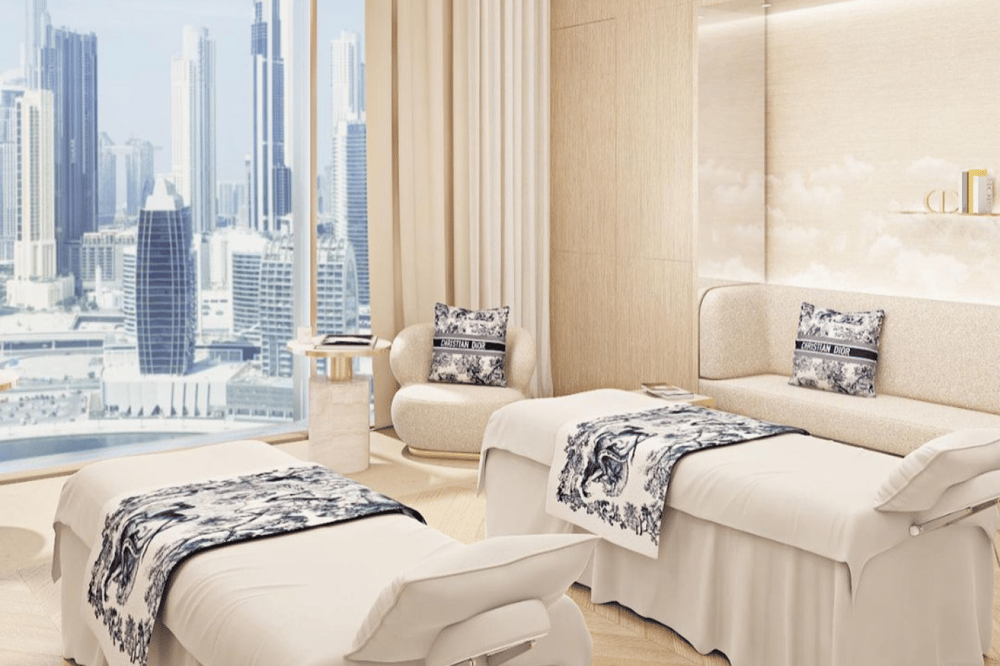
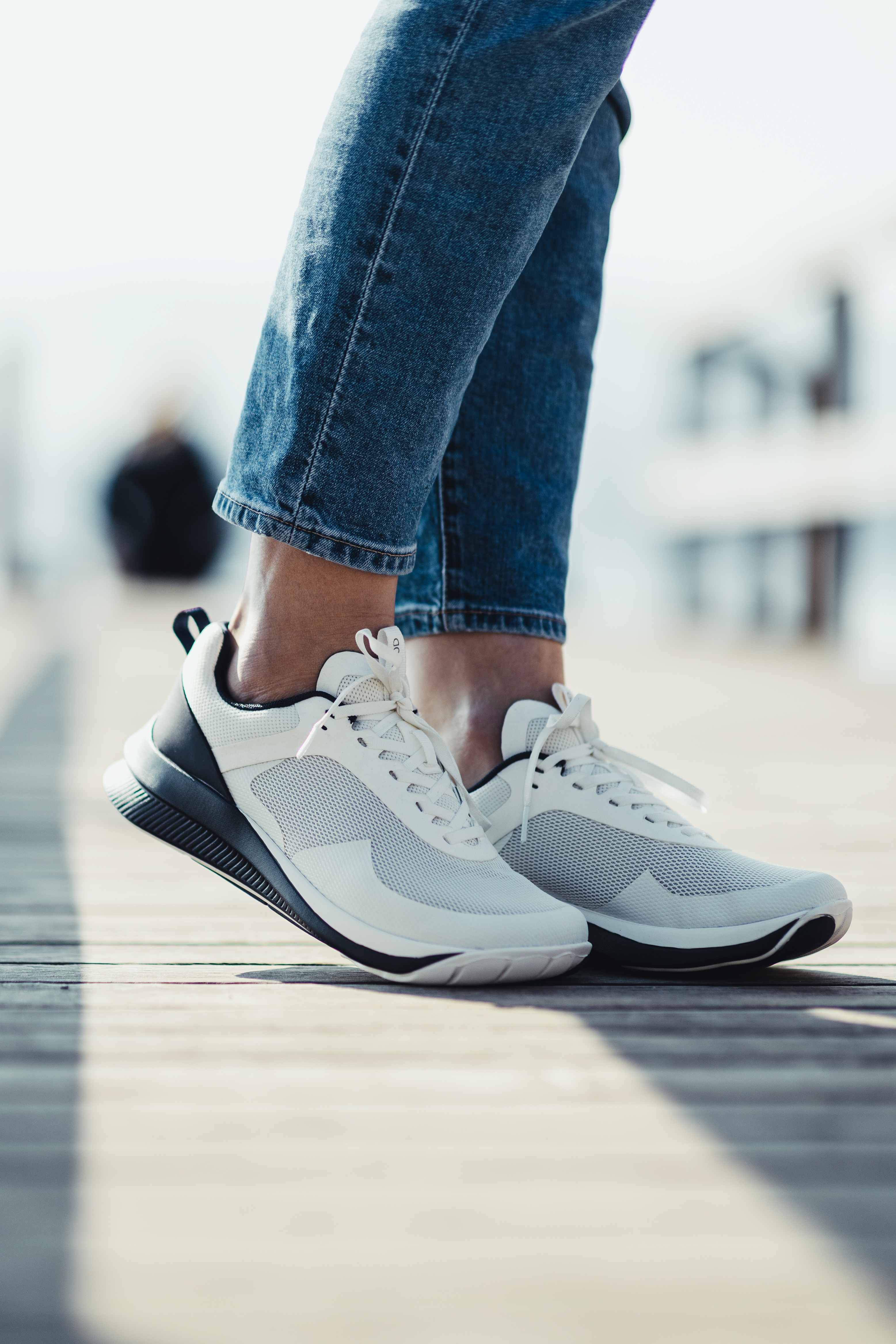
Minimalism is defined by simplicity, clean lines, and functionality. Think monochromatic palettes, classic cuts, and timeless pieces that never go out of style.
Advantages:
- Versatility: A few well-chosen items can create dozens of outfits.
- Sustainability: Investing in quality over quantity reduces waste and promotes ethical consumption.
- Ease of Style: Decisions are simpler; a capsule wardrobe minimizes stress and clutter.
Iconic Examples: Think of Phoebe Philo’s Céline, or Audrey Hepburn’s timeless little black dress. The minimalist approach is understated, elegant, and effortlessly chic.
Challenges: Minimalism can feel restrictive for some. It requires discipline and a refined sense of what truly works for you. Without careful attention, a minimalist wardrobe can appear dull or repetitive.
Maximalism: More Is More
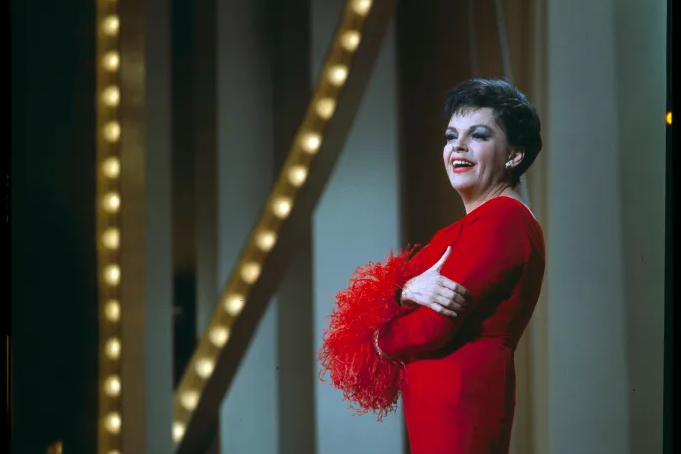
Maximalism, on the other hand, is bold, expressive, and unapologetically vibrant. Patterns clash, colors pop, and accessories multiply. It’s about storytelling through clothing, turning every outfit into a statement.
Advantages:
- Self-Expression: Maximalism celebrates individuality and creativity.
- Fun Factor: Dressing becomes an adventure, not a routine.
- Memorable Impression: People notice and remember bold choices.
Iconic Examples: Think of Alessandro Michele’s Gucci, or Lady Gaga’s red carpet ensembles. Maximalist fashion turns heads and sparks conversation.
Challenges: Maximalism can be expensive, overwhelming, or impractical for everyday life. There’s a fine line between curated chaos and visual clutter.
How to Choose?
The choice between minimalism and maximalism isn’t just about aesthetics—it’s about lifestyle and personality:
- Practicality: Minimalism works well for professionals, travelers, or those with limited closet space.
- Creativity: Maximalism suits artists, trendsetters, and anyone who loves to experiment.
- Balance: Some people combine the two: minimalist basics as a canvas, with maximalist accessories or statement pieces.
Ultimately, fashion is personal. The rules are flexible, and trends are temporary. Whether you gravitate toward quiet elegance or visual extravagance, the key is authenticity.
Beyond Style: Cultural Implications
Minimalism often aligns with sustainability movements, promoting conscious consumption and reducing environmental impact. Maximalism, meanwhile, celebrates cultural diversity and artistic freedom, encouraging risk-taking and innovation in fashion. Both have social significance—one encourages restraint and mindfulness, the other celebrates joy and abundance.
Conclusion
Minimalism or maximalism? The answer depends on who you are, what your life demands, and how you want the world to perceive you. Minimalism whispers sophistication; maximalism shouts confidence. Both can coexist in your wardrobe, and both offer lessons about personal expression, identity, and choice.
Fashion, after all, is more than what you wear—it’s how you communicate without saying a word.
Author: Jordan Lee, Fashion Enthusiast & Trend Analyst
Disclaimer: The views expressed are personal and for informational purposes only. Fashion choices are subjective, and there are no universal rules—wear what feels right for you.