
By Emily Zhao — Bought fast fashion for years. Switched to slow fashion. Saved money and looked better.
Last updated: May 2026
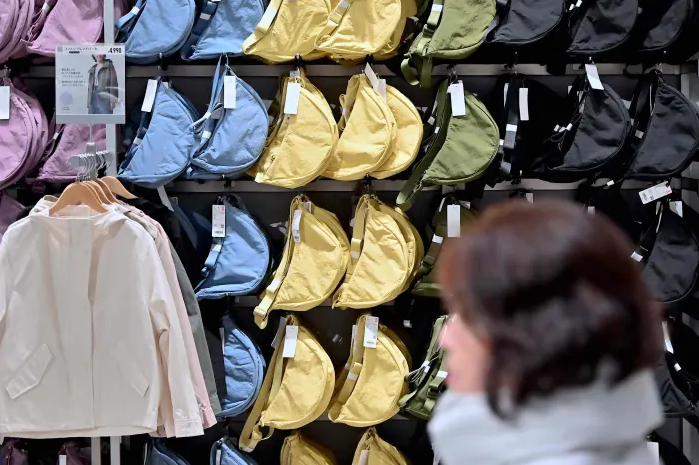
You walk into a store. Shirts are 10.Jeansare20. Dresses are $15. Everything looks good. Everything is cheap. You buy five items. You feel great.
Three months later, the shirt has a hole. The jeans are faded. The dress is stretched out. You throw them away. You go back to the store. You buy five more items.
That is fast fashion. It is cheap, trendy, and disposable.
There is another way. It is called slow fashion.
What Is Fast Fashion?
Fast fashion is clothing made quickly and cheaply to copy recent fashion trends. It is designed to be worn a few times and replaced.
Characteristics of fast fashion:
| Characteristic | What It Means |
|---|---|
| Low price | $5-20 for most items |
| Poor quality | Thin fabric, loose threads, weak seams |
| Trend-driven | Copies what celebrities or influencers wear |
| Disposable | Falls apart after a few washes |
| Produced rapidly | New collections every few weeks |
| Opaque supply chain | Hard to know where or how it was made |
Examples of fast fashion brands: Shein, Zara, H&M, Forever 21, Fashion Nova, Boohoo.
These brands are not evil. They are giving customers what they want: cheap, trendy clothes. But there are hidden costs.
What Is Slow Fashion?
Slow fashion is the opposite. Clothes are made carefully, with better materials and construction. They are designed to last for years, not weeks.
Characteristics of slow fashion:
| Characteristic | What It Means |
|---|---|
| Higher price | $50-200+ for most items |
| Better quality | Thick fabric, reinforced seams, natural fibers |
| Timeless design | Not trendy. Will look good for years. |
| Durable | Lasts through many washes and wears |
| Produced slowly | New collections once or twice a year |
| Transparent | You know where and how it was made |
Examples of slow fashion brands: Patagonia, Everlane, Uniqlo (some lines), Eileen Fisher, Nudie Jeans, local designers.
Slow fashion is not just about expensive brands. It is about buying less, choosing better, and wearing things longer.
The Hidden Costs of Fast Fashion
Environmental cost.
Fast fashion is the second largest polluter in the world, behind oil. It uses massive amounts of water. It creates chemical runoff. It fills landfills with clothes that do not biodegrade.
One cotton t-shirt takes 2,700 liters of water to make. That is enough drinking water for one person for 2.5 years.
Human cost.
Fast fashion factories pay low wages. Workers often work 14-hour days. Safety is poor. The Rana Plaza factory collapse in 2013 killed over 1,100 workers. That building made clothes for fast fashion brands.
Personal cost.
Fast fashion falls apart. You replace it. You spend more over time. You have a closet full of clothes you do not love.
| Cost | Fast Fashion | Slow Fashion |
|---|---|---|
| Price per item | Low | Higher |
| Cost over 5 years | Higher (replacing often) | Lower (lasting longer) |
| Environmental impact | High | Low |
| Worker conditions | Often poor | Better (not always perfect) |
| How you feel | Replaceable, disposable | Invested, intentional |
The Math of Slow Fashion
Let us compare a 20fastfashionshirtanda80 slow fashion shirt.
| Shirt | Price | Wears | Cost per wear |
|---|---|---|---|
| Fast fashion shirt | $20 | 10 wears (then fades, tears, or goes out of style) | $2 per wear |
| Slow fashion shirt | $80 | 80 wears (2 years, once a week) | $1 per wear |
The slow fashion shirt is cheaper in the long run. You just pay more upfront.
This math only works if you actually wear the slow fashion shirt. Do not buy an $80 shirt you will never wear. That is not slow fashion. That is just expensive waste.
How to Start Moving to Slow Fashion
You do not need to throw away all your fast fashion today. That would be wasteful. Wear what you have. Replace it slowly with better items.
Step 1: Take inventory.
What do you actually wear? What sits in your closet? Be honest. Donate or sell what you do not wear.
Step 2: Stop impulse buying.
Fast fashion thrives on impulse. You see something cheap. You buy it. You never wear it. Pause before buying. Ask: do I need this? Will I wear it 30 times?
Step 3: Save for better items.
Instead of buying five 20shirts,saveforone100 shirt. You will wear it more. It will last longer. You will look better.
Step 4: Learn to care for your clothes.
Wash in cold water. Air dry. Learn basic repairs (sewing a button, fixing a small tear). Clothes last longer when you treat them well.
Step 5: Buy secondhand.
Thrift stores, consignment shops, online resale (Poshmark, Depop, The RealReal). You can get slow fashion quality at fast fashion prices.
What Slow Fashion Is Not
Not just expensive clothes.
Expensive does not mean well-made. Some expensive brands use the same factories as fast fashion. Do your research.
Not a purity test.
You do not need to be perfect. One fast fashion purchase does not make you a bad person. Do your best. Buy less. Choose better.
Not for everyone.
Slow fashion costs more upfront. That is a barrier. If you cannot afford it, buy secondhand or buy less fast fashion. Do what you can.
A Simple Rule
Before you buy anything, ask: will I wear this 30 times?
If yes, buy it. If no, do not buy it.
That is it. That rule alone will reduce your spending, improve your closet, and lower your environmental impact.
The Bottom Line
Fast fashion is cheap in price. Expensive in everything else.
Slow fashion is expensive in price. Cheap in everything else.
You do not need to switch overnight. Wear what you have. Replace it slowly. Buy less. Choose better.
Your wallet will thank you. The planet will thank you. Your future self will thank you.
About the author: Emily Zhao used to buy fast fashion every month. Now she buys a few slow fashion pieces every year. Her closet is smaller. She looks better. She spends less.
This article is for informational purposes. Fast fashion is not evil. Slow fashion is not the only answer. Do what works for you.