
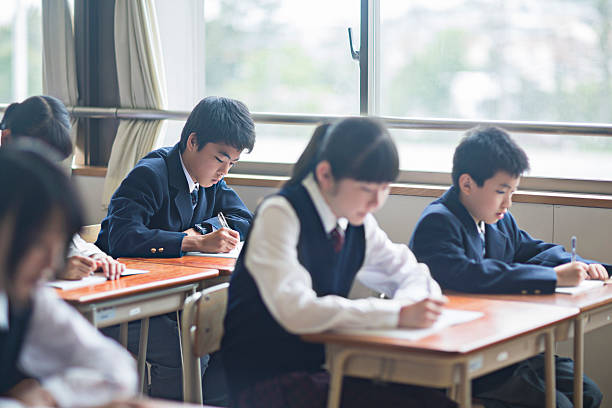

Education has always been considered the cornerstone of human progress, yet in the 21st century, the traditional model of schooling is increasingly misaligned with the needs of our rapidly evolving society. As technology, globalization, and social change accelerate, it is no longer enough for schools to focus solely on memorization and standardized testing. We must ask ourselves: what is the true purpose of education, and how can we design systems that prepare individuals not just for jobs, but for life?
The Limits of Traditional Education
For decades, classrooms have operated on a one-size-fits-all model. Students sit in rows, follow rigid curricula, and are evaluated primarily through exams. While this system has produced knowledge retention, it often fails to cultivate critical thinking, creativity, and emotional intelligence—skills essential for success in the modern world. Furthermore, standardized tests can stifle curiosity and exacerbate inequality, privileging students with access to resources while leaving others behind.
My Perspective:
Education should not be measured solely by scores or diplomas. True learning is experiential, iterative, and deeply personal. Schools must evolve to nurture adaptive learners who can thrive in uncertainty and think independently.
Technology as a Double-Edged Sword
The rise of digital tools has transformed the classroom. Online learning platforms, interactive apps, and artificial intelligence offer unprecedented access to knowledge. However, technology is not a panacea. Over-reliance on screens can undermine social skills and exacerbate disparities between students with varying levels of access.
My Perspective:
Technology should augment, not replace, human teaching. Effective educators combine digital tools with mentorship, discussion, and hands-on projects, creating learning environments that are both engaging and socially meaningful.
Equity and Access: The Moral Imperative
Education is often touted as the great equalizer, yet inequities persist. Socioeconomic status, geography, and systemic bias continue to shape opportunities and outcomes. Schools must address these structural barriers by providing resources, mentorship, and inclusive curricula that reflect diverse perspectives.
My Perspective:
Investing in equitable education is not charity—it is a societal necessity. A generation denied quality education limits the potential of the entire community. True progress requires access and opportunity for all, not just the privileged few.
Beyond the Classroom: Life Skills Matter
Formal education often neglects essential life skills, from financial literacy to communication, resilience, and civic engagement. Preparing students for real-world challenges requires a broader definition of success—one that values empathy, collaboration, and adaptability as much as academic achievement.
My Perspective:
Schools should become ecosystems for holistic development, where intellectual, emotional, and social skills are cultivated equally. The future belongs to learners who can think critically, navigate complexity, and contribute meaningfully to society.
Conclusion: Rethinking Education for a Better Future
Education in the 21st century cannot remain static. It must evolve to meet the demands of a world defined by rapid change, uncertainty, and interconnection. By prioritizing critical thinking, equity, life skills, and meaningful engagement, we can transform education from a conveyor belt of information into a launchpad for human potential.
Ultimately, the question is not whether we can reform education—it is whether we dare to imagine a system that truly prepares learners for life, not just exams.
Author: Alex Chen, education researcher and lifelong learner passionate about innovative teaching and equity in learning.
Disclaimer: The opinions expressed in this article are the author’s own and intended for informational and thought-provoking purposes only.